
Caring, Sharing, and Learning Together
Long before there was a center, a building, or even a formal program, there were two nurses in Green Bay who saw a need and stepped in to meet it.
Peggy Maier and Audrey Nuskiewicz were both Registered Nurses working in Pediatrics in Green Bay. They were skilled at starting IVs, something that was critically important in the treatment of hemophilia at the time. More importantly, they understood what families were facing. There was uncertainty, limited treatment options, and a constant concern about what could happen from even a minor injury. Their experience placed them in a position to not only care for patients, but to recognize gaps in how that care was being delivered.

Audrey and Peggy
Understanding Hemophilia
Hemophilia is a hereditary bleeding disorder in which one or more clotting proteins are missing or deficient, making it difficult for the body to stop bleeding. Hemophilia A occurs in about 1 in 5,000 births, while Hemophilia B occurs in about 1 in 20,000. Von Willebrand disease affects about 1 in 100 people and impacts men and women equally.
In 1974, the understanding of bleeding disorders was much more limited than it is today. At the time, it was widely believed that women could not have hemophilia, which influenced how diagnosis and care were approached. We now know that women can have low enough factor levels to receive a formal diagnosis and require care. While advances in research and treatment have significantly improved outcomes, families in the early years were navigating a condition that was often misunderstood and difficult to manage.
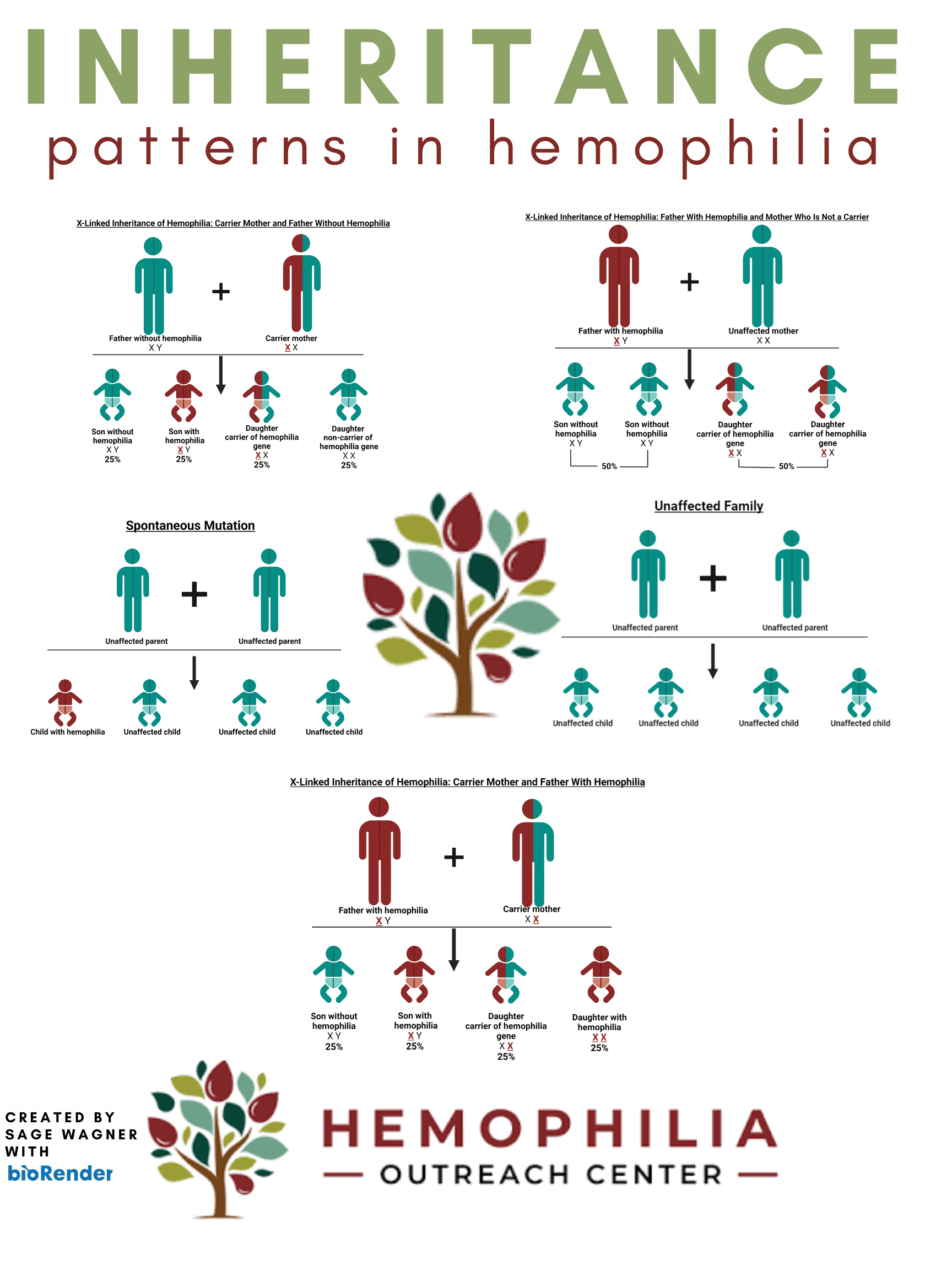
Click image to enlarge
Building Something from Nothing

Peggy & Audrey at desk in St. Vincent Hospital
The location changed often, but the work remained steady. Their focus was on identifying patients, teaching families how to manage care, and building relationships within the medical community. They were not just providing instruction. They were building a system of support that did not previously exist in the region.
By 1975, those efforts became more formal as the program became known as the Northeastern Wisconsin Hemophilia Center and operated in affiliation with the Great Lakes Hemophilia Foundation. With the support of a federal grant, the center expanded its reach across a 15 county region in northeastern Wisconsin and into Michigan’s Upper Peninsula. Care also expanded to include related bleeding disorders such as von Willebrand disease.
Around this time, Dr. Stuart Adair became the Medical Director of the Northeastern Wisconsin Hemophilia Center. As a pediatric hematologist and oncologist, he helped guide the development of a more comprehensive care model. Patients were seen on a regular basis for evaluation, diagnosis, and treatment planning, strengthening the connection between clinical care and the support being built within the community.

Dr. Stuart Adair & Peggy with Patient
In 1978, Dr. James Lacey became involved as the adult hematologist, expanding care to better serve adult patients within the program. His role helped ensure continuity of care across different stages of life, which became an important part of the Center’s approach. Today, his impact continues to be recognized through the James Lacey Scholarship, honoring his contributions to the community and his commitment to patient care.
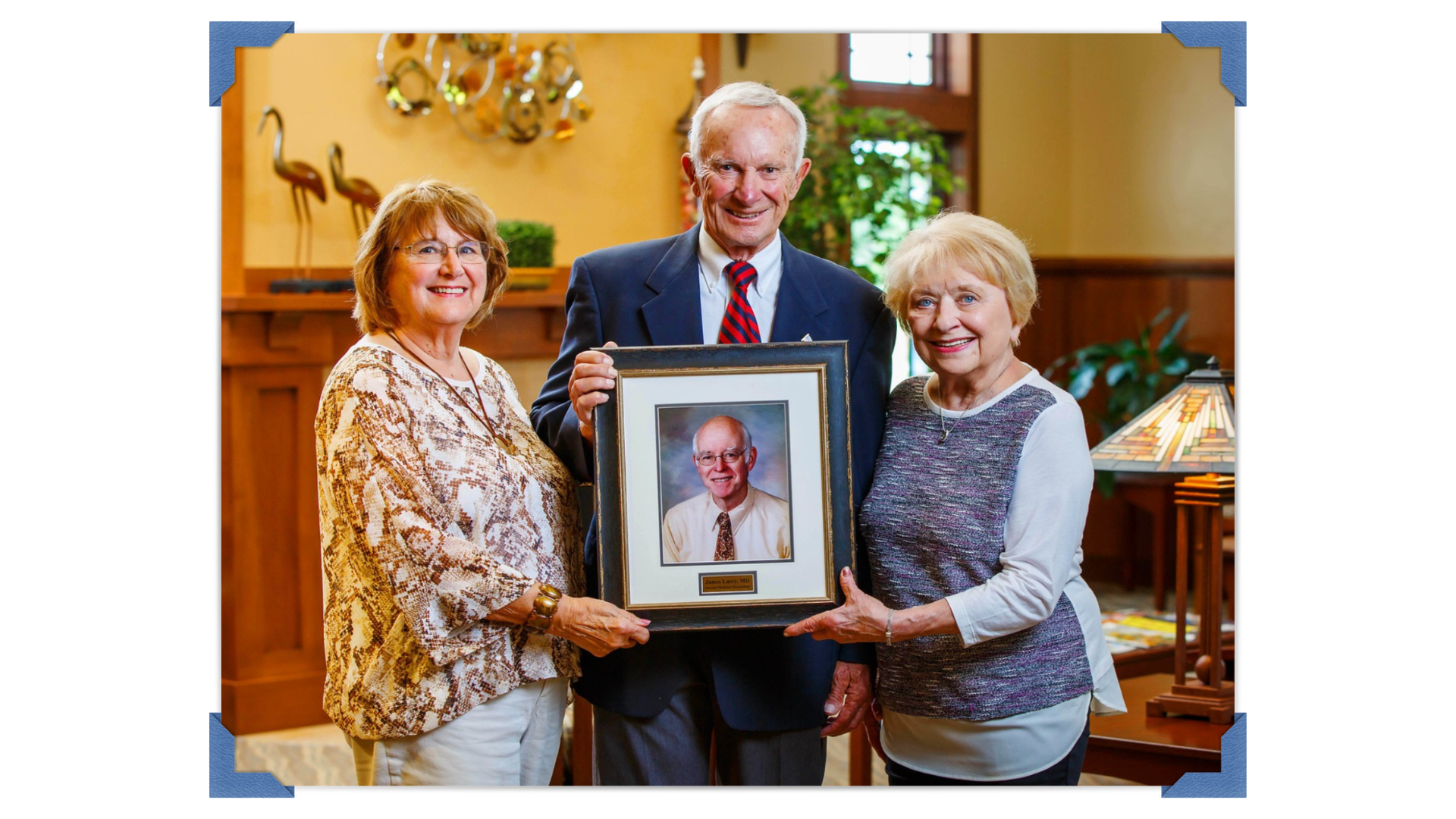
Peggy, Dr. Stuart Adair, Audrey holding a photo of James Lacey
What began with six patients grew to more than 200 in just a few years, and today the Center serves close to 500 patients.
A Network of Trust
As the number of patients grew, so did the need for consistency and support. Peggy Maier and Audrey Nuskiewicz took on the role of Nurse Coordinators and became a constant point of contact for families. They were available at all hours, often taking calls around the clock, and that level of accessibility quickly became one of the defining characteristics of the program.
Behind that work was a small but deeply committed team that helped keep everything moving. Barb Varney, who would go on to serve the Center for more than 30 years, played a key role in supporting patients, families, and day to day operations. Her long standing presence helped provide continuity during times of growth, change, and transition.
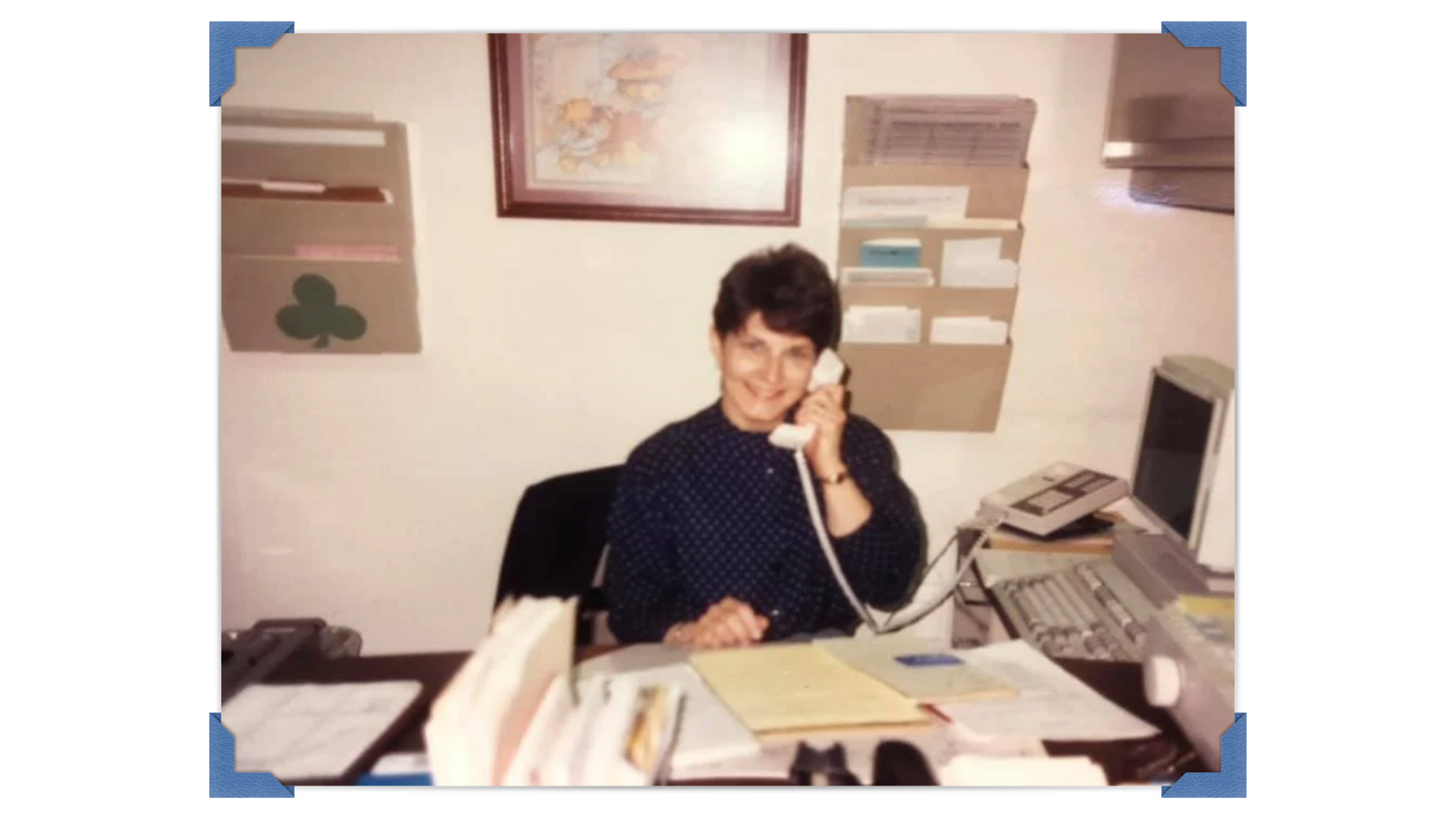
Barb Varney, early days. Barb would be with the center for over 30 years!
The Hardest Years
The 1980s brought a period that would define the hemophilia community in profound ways. At the time, clotting factor treatments were derived from pooled human plasma, often sourced from thousands of donors. While these treatments were life saving, they also carried risks that were not yet fully understood.
In 1985, it became clear that some of the factor concentrate used for treatment had been contaminated with blood borne viruses, exposing many individuals with hemophilia to Hepatitis C and HIV through the very treatments intended to help them.
For families and providers, it was devastating. The same treatment used to manage bleeding could also introduce serious and life threatening conditions, creating a level of uncertainty that was difficult to navigate. Care providers were placed in a position where they needed to recommend treatment while understanding the risks involved, often without clear alternatives.
This period left a lasting impact on the hemophilia community and shaped how treatment, safety, and advocacy would evolve in the years that followed.
For a deeper look at this history and its impact on patients and families, listen to our podcast episode on this topic here.
Reflecting on Hemophilia’s Bad Blood Era with Peggy Maier & Audrey Nuskiewicz Part I
Reflecting on Hemophilia’s Bad Blood Era with Peggy Maier & Audrey Nuskiewicz Part II
Even during those years, there was an awareness that treatment would continue to evolve. The idea of gene therapy was already being discussed, though it was seen as something that was still many years away. Advances in screening and the development of recombinant therapies would eventually change the landscape of care, but the impact of that era is still felt today.
A Commitment to Independence
Throughout its history, one principle remained constant. Independence mattered. Even while operating within hospital systems, there was a strong belief that care decisions should always be guided by what was best for patients and families.
By the mid 1990s, it became clear that the existing structure was no longer sustainable. After leaving St. Vincent Hospital in 1994, Bellin Hospital offered space for a one year term. Within just three months, a decision was made to leave. As the cost of clotting-factor became more visible, it prompted important conversations about how to ensure care decisions remained focused on patients and aligned with the Center’s values.
During this period of transition, the program briefly operated under Hemophilia Treatment Centers of America, a nonprofit organization founded by Dianne Martz, a mother of a son with hemophilia. Under this structure, the Hemophilia Treatment and Wellness Center in Green Bay became the first center to operate within that organization.
In 1996, an Auxiliary was formed to help support the new direction of the program. When the previous structure dissolved, the original Auxiliary and its funds remained with the former organization. As a result, those involved in the new Center had to rebuild support from the ground up. The formation of a new Auxiliary reflected both that challenge and the continued commitment of families and supporters to move forward.
While these efforts provided important support, it quickly became clear that a fully independent model was necessary to maintain control over care and decision making.
Maintaining independence was not negotiable. In 1995, the Hemophilia Outreach Center was established as an independent, nonprofit organization, allowing leadership to maintain control over how care was delivered and how decisions were made.
Starting Over
In January of 1997, the Hemophilia Outreach Center opened its doors without the support of a large funding source or safety net. To make it possible, leadership secured a loan using personal collateral, staff went without pay for a period of time, and vendors extended credit. It was a significant risk, but one that reflected a deep commitment to the mission.
The Center initially operated out of Dr. Dorothy Ganick’s office before moving later that year into its own space in the 725 Medical Building at 725 South Webster Street in Green Bay. While modest, this location marked an important step forward, providing a more permanent and recognizable place for patients and families to access care.
Photos from 725 S Webster Street in Green Bay.
As the Center grew, additional team members played important roles in supporting its day to day operations and patient services. Ken Maier joined as a courier, helping ensure timely delivery of treatment products, while Donna Varney contributed to program services and activities that supported patients and families. Their work reflected the expanding scope of the Center and the growing needs of the community.
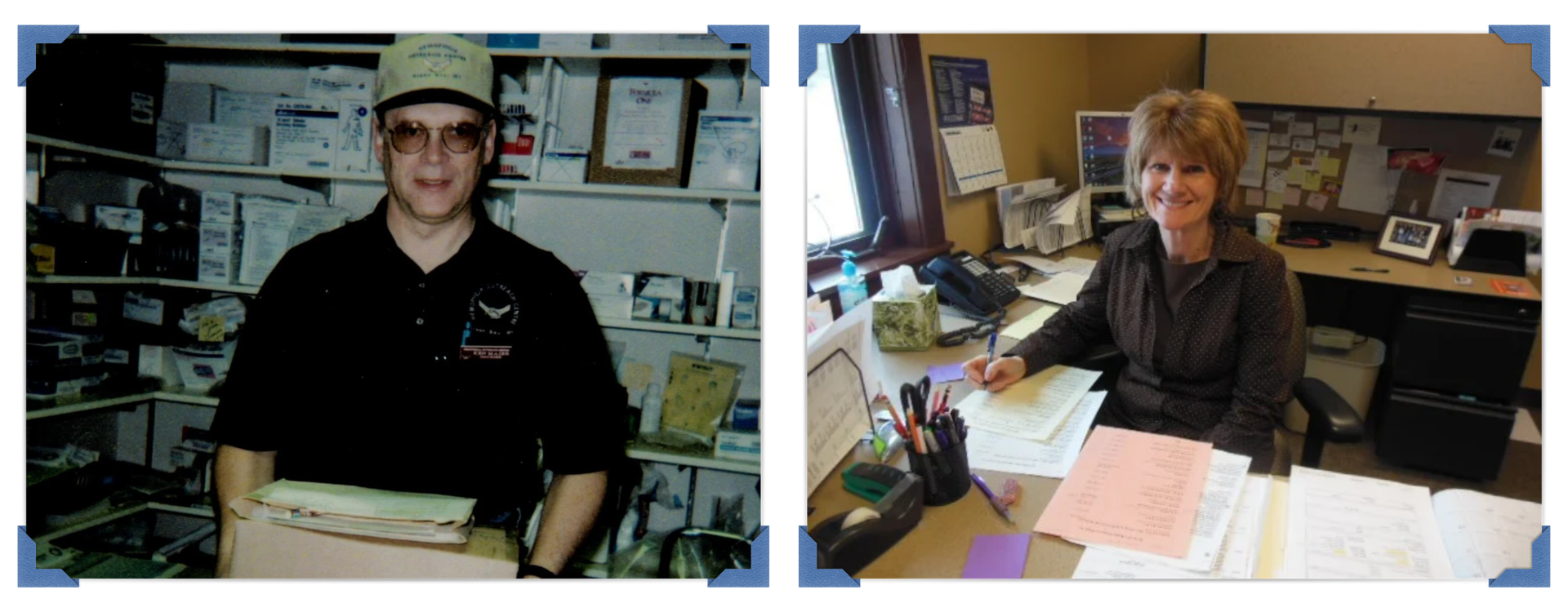
Ken Maier and Donna Varney
For many, this was the first time the Center had a space that felt like its own. It allowed the program to continue growing, strengthening its presence in the community and building toward what would come next.
A Place of Their Own
In May of 1999, the Hemophilia Outreach Center moved into a dedicated space at 1794 East Allouez Avenue in Bellevue. The building, which had previously housed a plumbing supply business and a pizza restaurant, was completely renovated to support patient care.
For the first time, there was a space designed specifically for individuals and families living with bleeding disorders. This allowed the Center to expand its services, improve coordination of care, and create an environment that felt more welcoming and supportive.
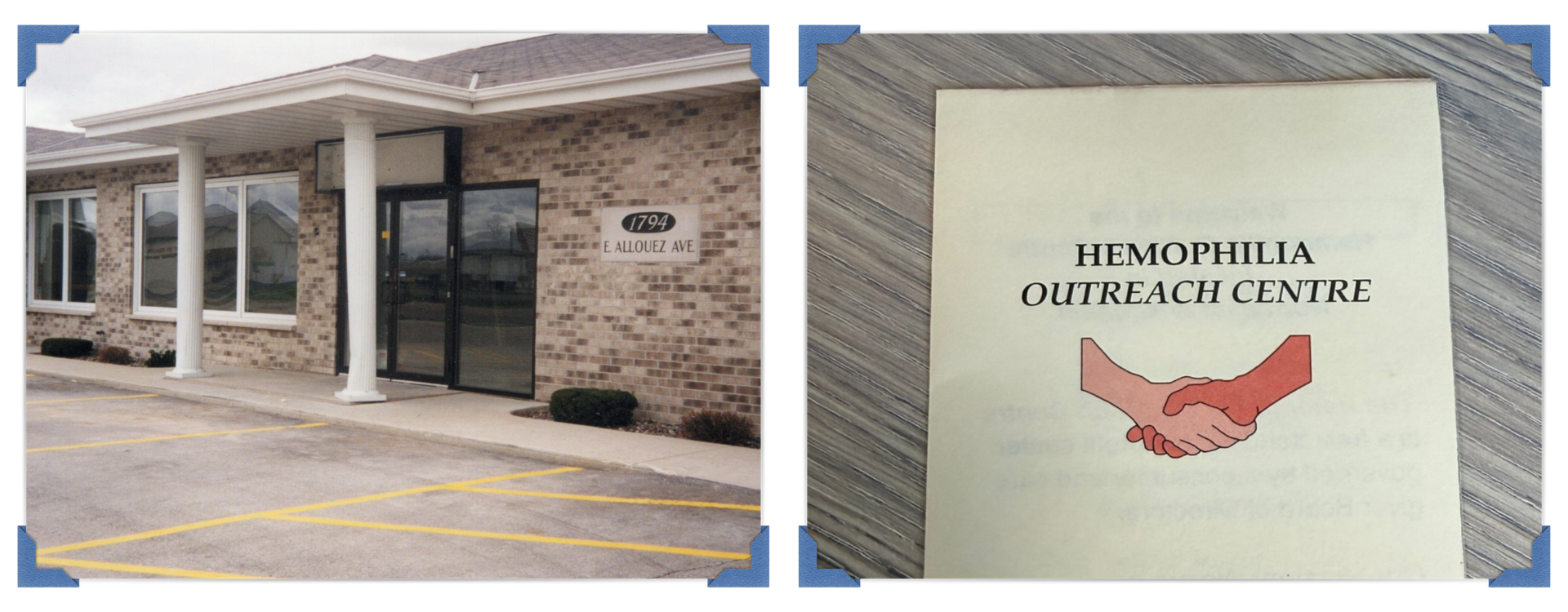
1794 East Allouez Avenue, HOC's first dedicated space, and the organization's first logo.
As the Center grew, additional team members played important roles in supporting its day to day operations and patient services. Ken Maier joined as a courier, helping ensure timely delivery of treatment products, while Donna Varney contributed to program services and activities that supported patients and families. Their work reflected the expanding scope of the Center and the growing needs of the community.
Groundbreaking and new building at 2060 Bellevue Street in Green Bay, 2007.
Expanding Care
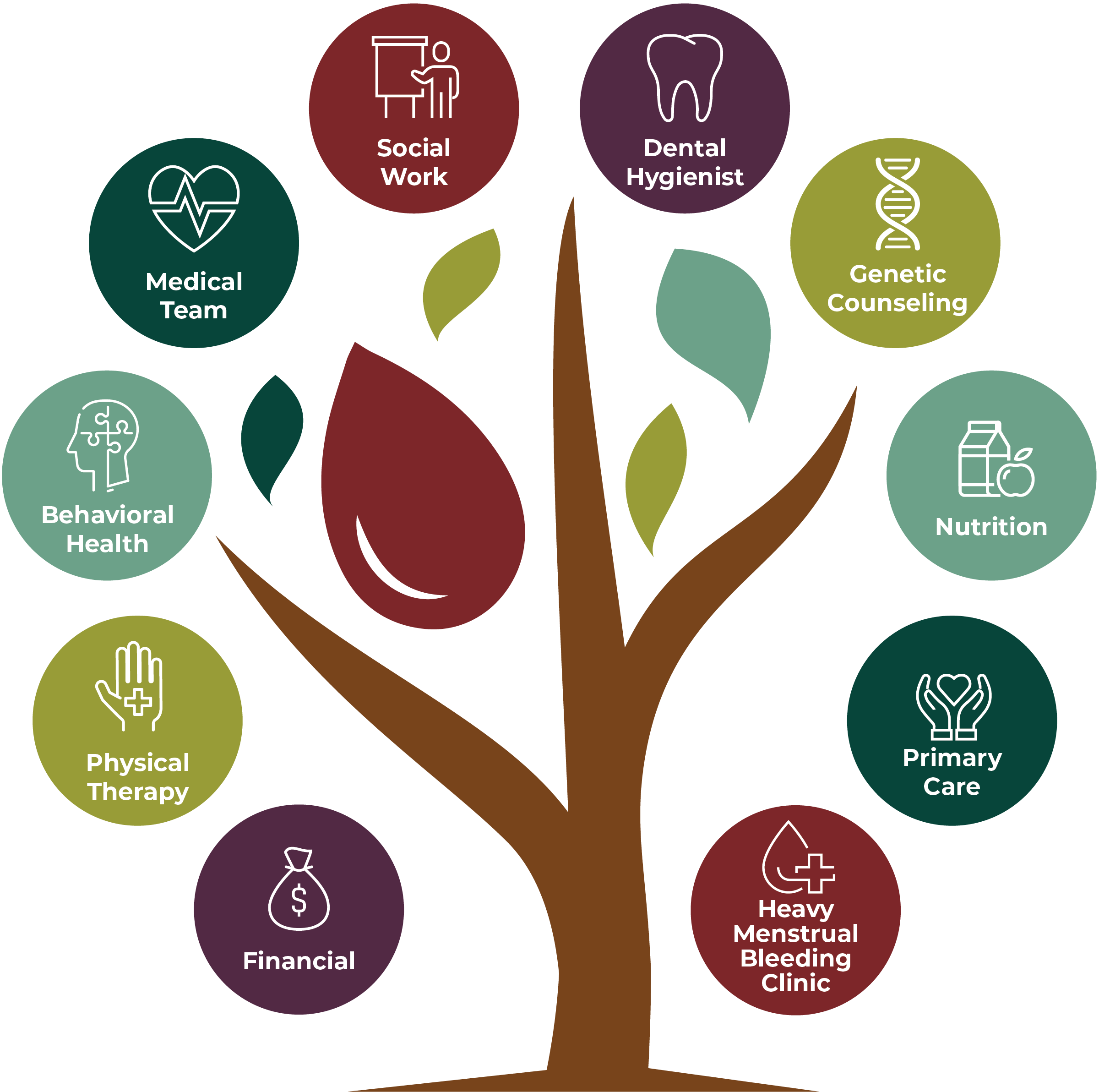
Over time, the Center evolved into a comprehensive hemophilia treatment center. Care extended beyond treating bleeds and became more holistic, focusing on the full needs of patients and families. Services now include social work, nutrition, physical therapy, genetics, dental evaluations, behavioral health services, insurance navigations, 24 hour support and more.
In earlier years, many individuals with hemophilia lived with significant limitations. As treatment methods improved, patients began living more active and independent lives. The approach to care evolved alongside those changes, reflecting a broader understanding of what patients truly need to thrive and maintain long term health.
A Vision Realized
From the earliest days, Peggy Maier envisioned a space dedicated to pediatric patients, recognizing the importance of creating an environment that supported children and their families. That vision became a reality in 2023 when the Hemophilia Outreach Center expanded and opened a dedicated pediatric room designed to better serve younger patients.
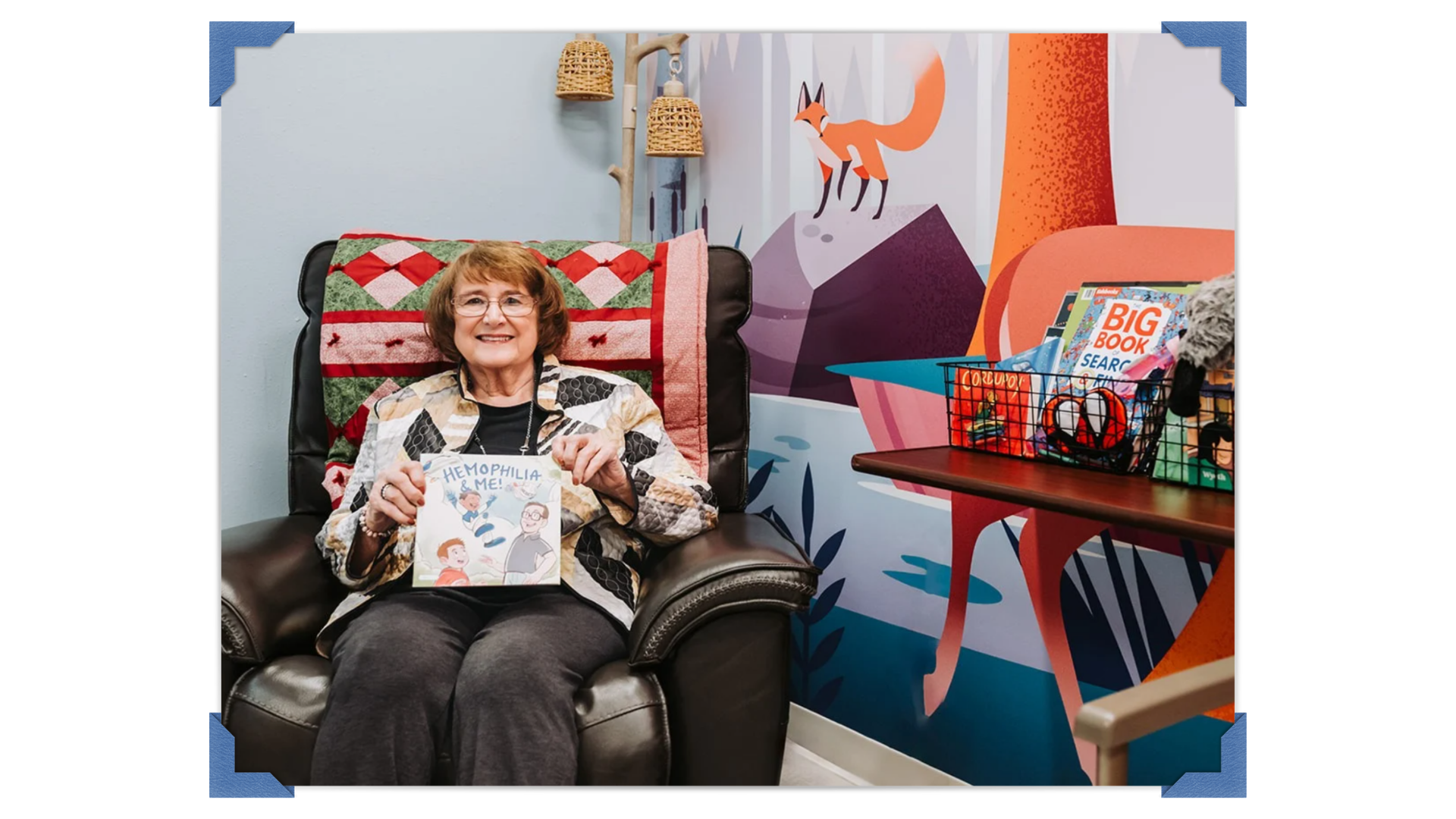
Photo of Peggy in the new peds room at 2060 Bellevue St, Green Bay.
The building expansion represents more than just a physical space. It reflects the long term growth of the Center and the continuation of ideas that were present from the very beginning.
HOC's building expansion, 2023.
A Shared Legacy
What began with five families and two nurses has grown into a center serving hundreds across the region. The foundation built by Peggy Maier and Audrey Nuskiewicz continues to shape the care provided today, with a focus on accessibility, education, and patient centered care.
Today, the Hemophilia Outreach Center serves close to 500 patients, continuing the work that began in 1974 while adapting to advancements in treatment and changes in patient needs. In 2022, the Center expanded its reach with the addition of a clinic in Wausau, extending access to specialized bleeding disorder care for patients and families in western Wisconsin. This expansion reflects the same commitment that guided the Center’s earliest days, ensuring that care is available where and when it is needed most.
The Center is more than a place for treatment. It is a place built on relationships, trust, and a commitment to making sure no one has to navigate a bleeding disorder alone.
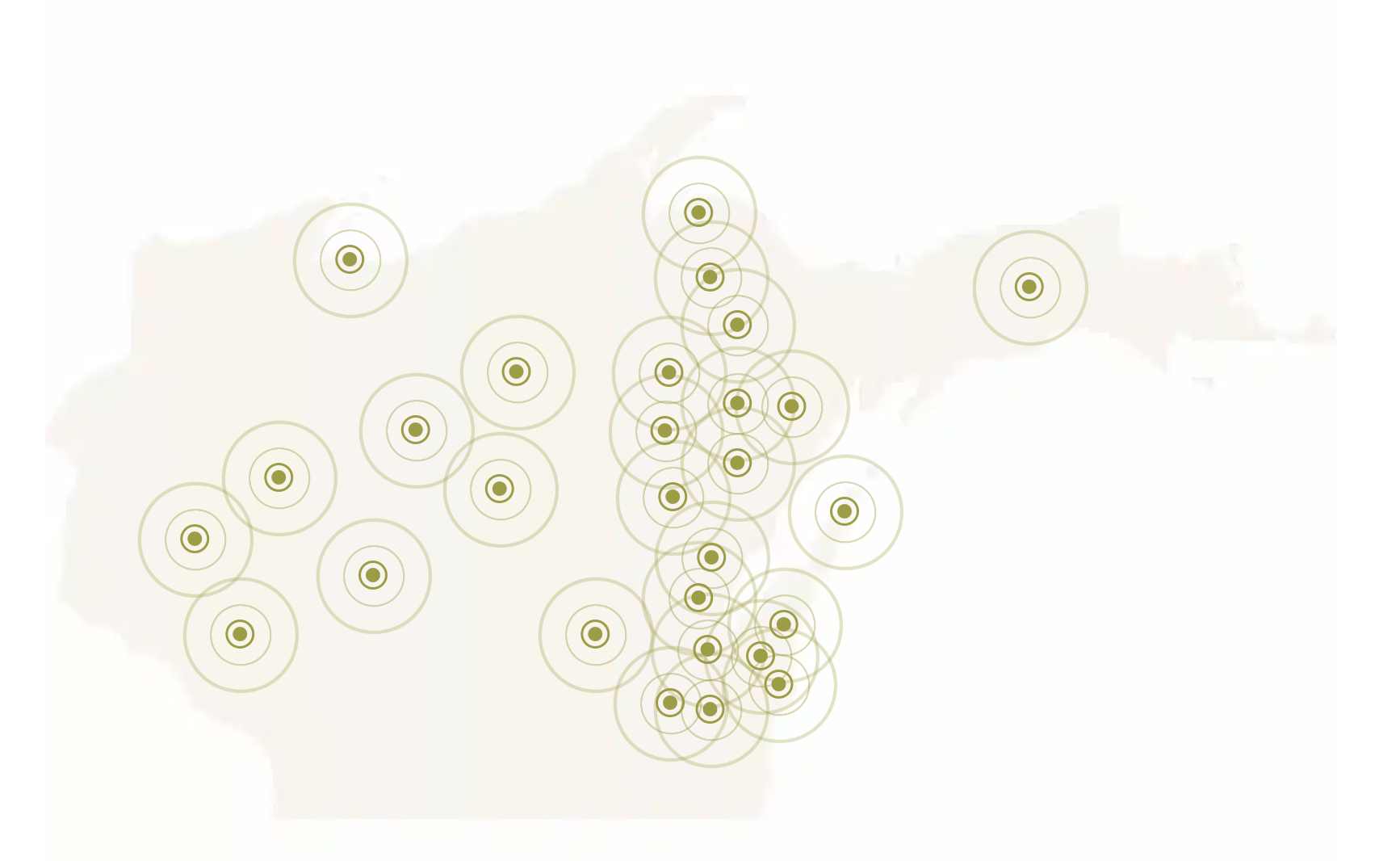
HOC serves 37 counties in Wisconsin and the Upper Peninsula of Michigan.
Looking Forward
The story of the Hemophilia Outreach Center continues to evolve as advancements in treatment move forward and new possibilities emerge. The promise of gene therapy is closer than it once seemed, offering hope for the future of care.
At the same time, the mission remains grounded in the same principles that shaped its beginning. Care should be accessible, personal, and centered around patients and families. That belief continues to guide the work today, just as it did in 1974.
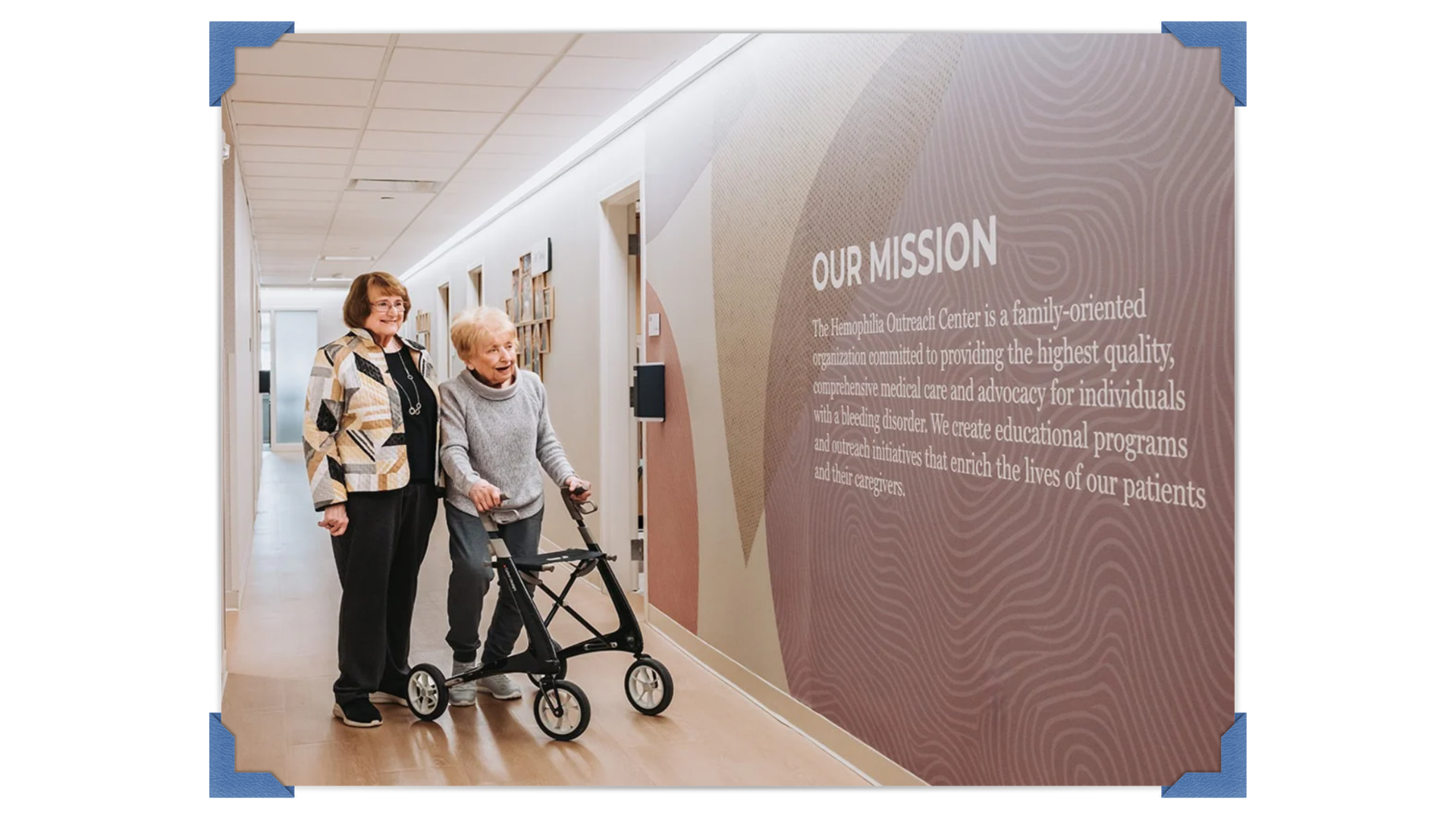
Peggy and Audrey by HOC's "Mission wall", 2026.
Continuing the Work
The story of the Hemophilia Outreach Center has always been shaped by the people closest to it. Patients, families, and caregivers have not only received care, they have helped define what that care should look like.
That connection continues today through leadership that understands the Center from a personal perspective.
Jamison Buxton grew up around the Hemophilia Outreach Center. His family’s connection to the organization began when his son was a patient, and through that experience, he came to know Peggy Maier and Audrey Nuskiewicz not just as providers, but as trusted partners in care. Over time, that relationship deepened, and his role within the organization evolved.
Peggy and Audrey at HOC with Jamison looking at the photo wall.
Today, Jamison leads the Hemophilia Outreach Center with a perspective shaped by both personal experience and a deep understanding of its history. The values that guided the early years remain central to the work being done now. Independence continues to be a priority, ensuring that decisions are made in the best interest of patients and families. The mission, vision, and values of the organization continue to reflect the same commitment to accessible, patient-centered care.
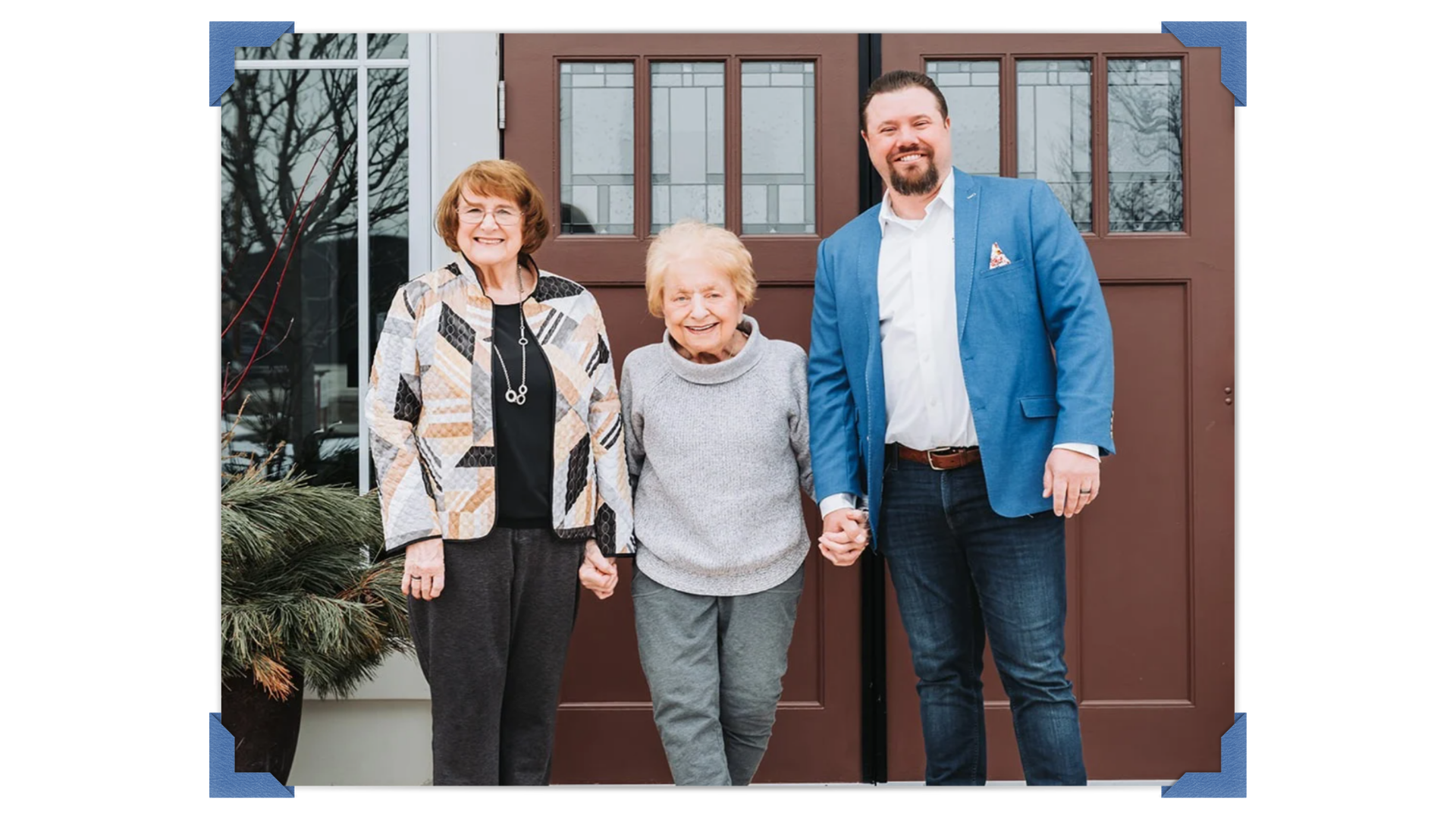
Peggy, Audrey, Jamison in front of HOC's Green Bay clinic, 2026.
While the field of hemophilia treatment continues to advance, the foundation built by Peggy Maier and Audrey Nuskiewicz remains firmly in place. That foundation continues to guide the Center forward, carried by those who understand its impact firsthand.

