
You may have thought about many aspects of your health such as sunscreen, protein, or exercise but one essential nutrient remains grossly underappreciated: dietary fiber.
Fiber doesn’t come with flashy marketing or miracle claims, yet its impact on human health is profound, well-researched, and universally relevant. It’s not just about “keeping you regular”—dietary fiber is critical for metabolic health, heart health, intestinal function, blood sugar control, lowering risk for certain cancers, weight management, and even mental well-being. Alarmingly, studies reveal most of us are not eating enough fiber.
What is fiber?
Dietary fiber is non-digestible carbohydrates present predominantly in plant-based foods. Unlike other carbohydrates, fiber is not digested or absorbed in the small intestine; instead, it passes into the large intestine, where it serves important functions in maintaining digestive health.
Fiber is typically divided into two categories:
Soluble fiber:
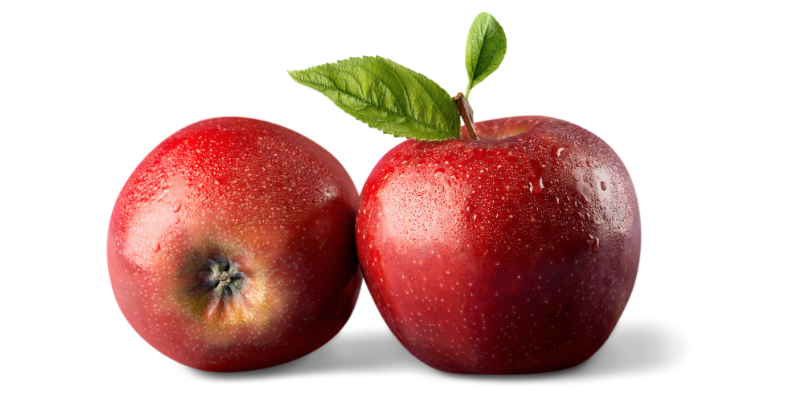
Soluble fiber dissolves in water, forming a gel-like substance. Sources include oats, legumes, apples, barley and psyllium. This type of fiber contributes to the reduction of blood cholesterol and the regulation of glucose levels.
Insoluble fiber:
Insoluble fiber does not dissolve in water and increases stool bulk. It is commonly found in whole grains, nuts, beans, and various vegetables, promoting regular bowel movements and supporting colon health.
How much fiber?
Aim for about 30 grams total fiber per day while drinking plenty of water. Try to get 2+ cups fruit/day and 3+ cups vegetables/day. Don’t split hairs between soluble and insoluble fiber because if you consume the foods below, you will get a nice mix. The general rule is about 14 g fiber/1000 kcals.
What foods to eat?
| Food | Tips & Examples |
|---|---|
| Fruits with peel | In general, eat your fruit, don’t drink it. Vary the fruit you eat. |
| Vegetables with peel | Get a good scrub brush to clean produce. Vary the vegetables you eat. |
| Beans | Chickpeas, kidney beans, black beans, and pinto beans are examples. |
| Lentils | There are different types of lentils to explore. They contain fiber, protein, calcium, and iron. Try them in soups, salads, and added to casseroles. |
| Whole grain pasta & breads | Whole grain should be the first ingredient on the label. Buy bread that has 3 grams fiber per slice. |
| Seeds & Nuts | Take a handful of nuts for snacks. Sprinkle seeds on salads and yogurts. |
| Whole grain breakfast cereals | See label for 3 grams fiber and 5 grams or less sugar per serving. Try oatmeal topped with nuts or fruit. |
Remember:
The front of a food package is an “advertisement” for that product so read food label carefully. No special supplements or powders are needed to achieve the fiber goal. Start slowly by adding a few grams fiber per day and drink lots of water. Find more information here: https://newsinhealth.nih.gov/2019/07/rough-up-your-diet
Questions or recipe requests? Contact Jill Larson, Nutrition Educator- jilll@hocgb.org